Skip to content
Gorilla Trekking Regulations in Rwanda and Uganda
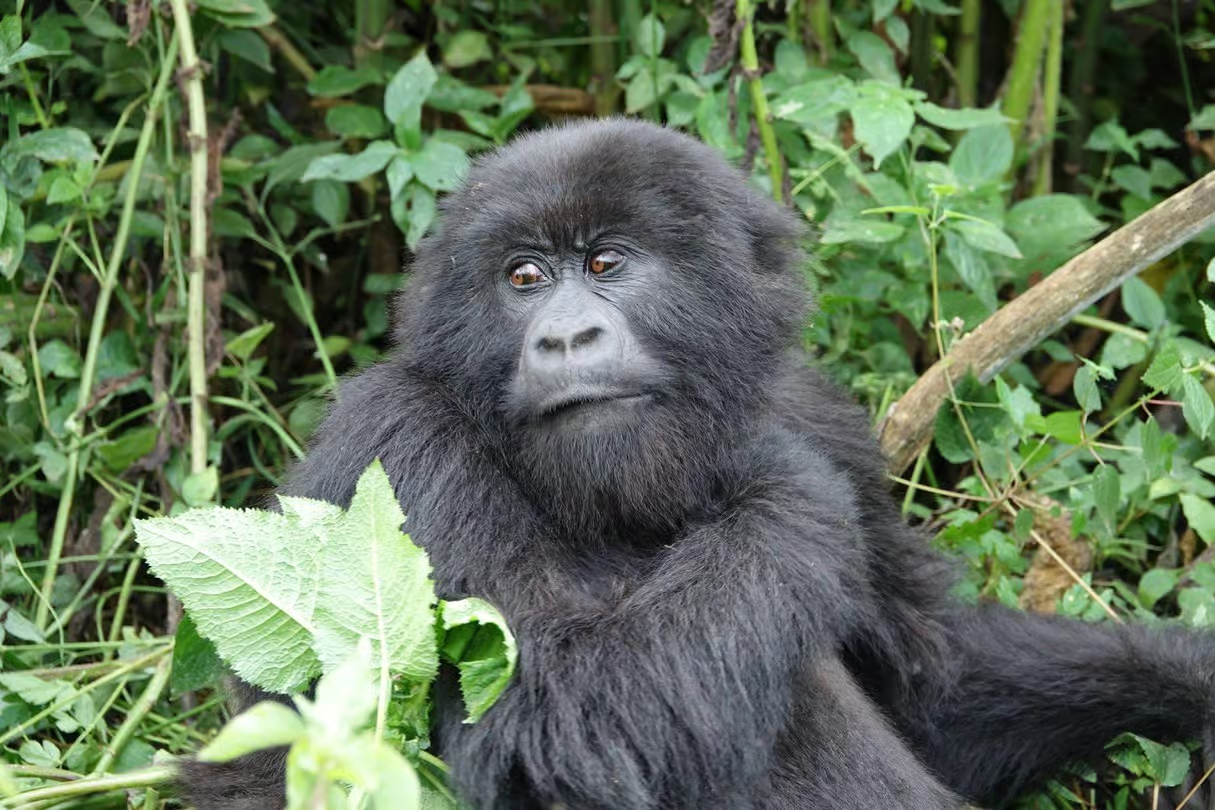
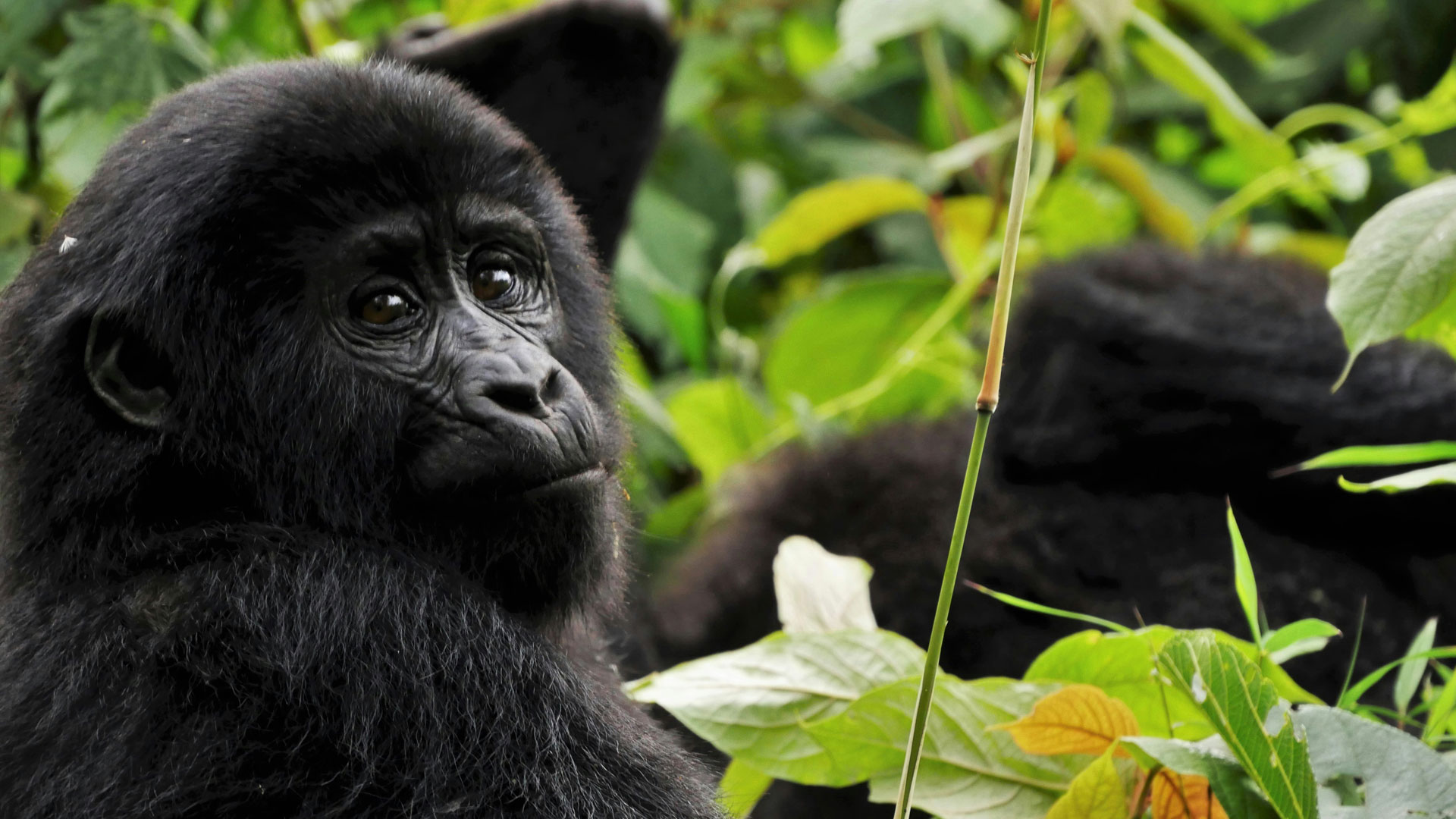
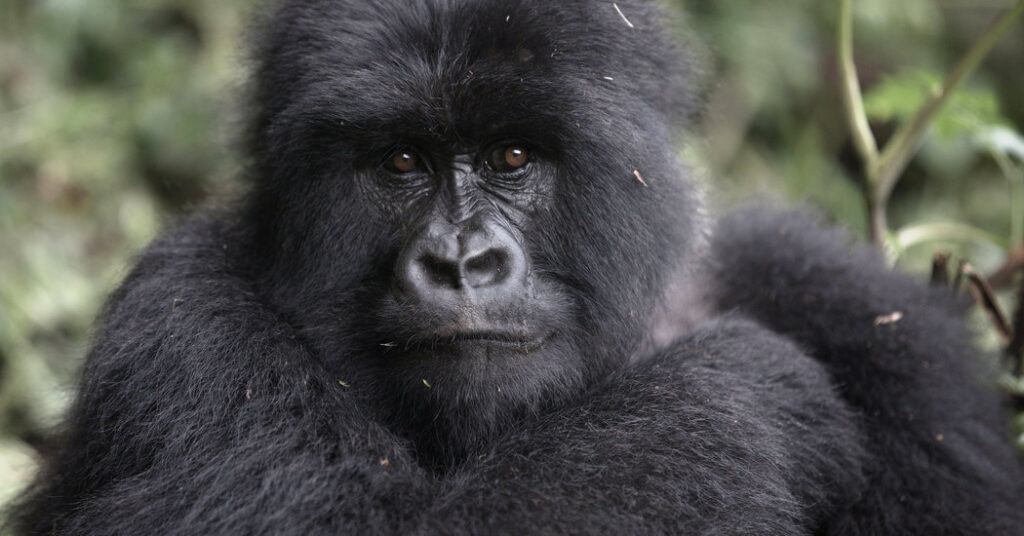
Gorilla trekking regulations in Rwanda and Uganda are designed to protect the endangered mountain gorillas while providing visitors with a safe and unforgettable wildlife experience. Both countries are home to more than half of the world’s remaining mountain gorilla population, and strict conservation measures have played a major role in their recovery. Whether you plan to visit Rwanda’s Volcanoes National Park or Uganda’s Bwindi Impenetrable National Park and Mgahinga Gorilla National Park, understanding the rules before your trek is essential. Following these regulations helps reduce human impact on gorilla families, prevents the spread of diseases, and ensures sustainable tourism that benefits local communities and conservation projects.

Minimum Age Requirement for Gorilla Trekking
One of the most important gorilla trekking regulations in Rwanda and Uganda is the minimum age requirement. Visitors must be at least fifteen years old to participate in gorilla trekking activities in Uganda and Rwanda. The age restriction exists because younger children may find the hike physically demanding and could struggle to remain calm if gorillas approach closely. Additionally, children are more likely to carry common illnesses that can easily spread to gorillas, which share nearly ninety-eight percent of human DNA and are highly vulnerable to human diseases. Visitors should carry valid identification or passports to confirm their age before trekking.
Gorilla Trekking Permits are Mandatory
Every visitor must obtain a valid gorilla trekking permit before entering the park. In Rwanda, permits are issued for trekking in Volcanoes National Park, while Uganda issues permits for Bwindi Impenetrable National Park and Mgahinga Gorilla National Park. Permits are limited because only a small number of tourists can visit each habituated gorilla family every day. Booking permits several months in advance is highly recommended, especially during the peak travel seasons. Visitors must carry their permits and identification documents on the trekking day for verification by park authorities.
Health Regulations for Gorilla Trekking
Health regulations are among the strictest gorilla trekking rules in Rwanda and Uganda because mountain gorillas are extremely susceptible to human illnesses. Anyone showing signs of contagious diseases such as flu, cough, fever, or other respiratory infections may not be allowed to participate in the trek. Visitors are encouraged to maintain good hygiene and inform guides if they feel unwell before the activity begins. If sneezing or coughing becomes unavoidable while near the gorillas, trekkers should cover their mouths and turn away from the animals to minimize any health risks.
Keeping a Safe Distance from Gorillas
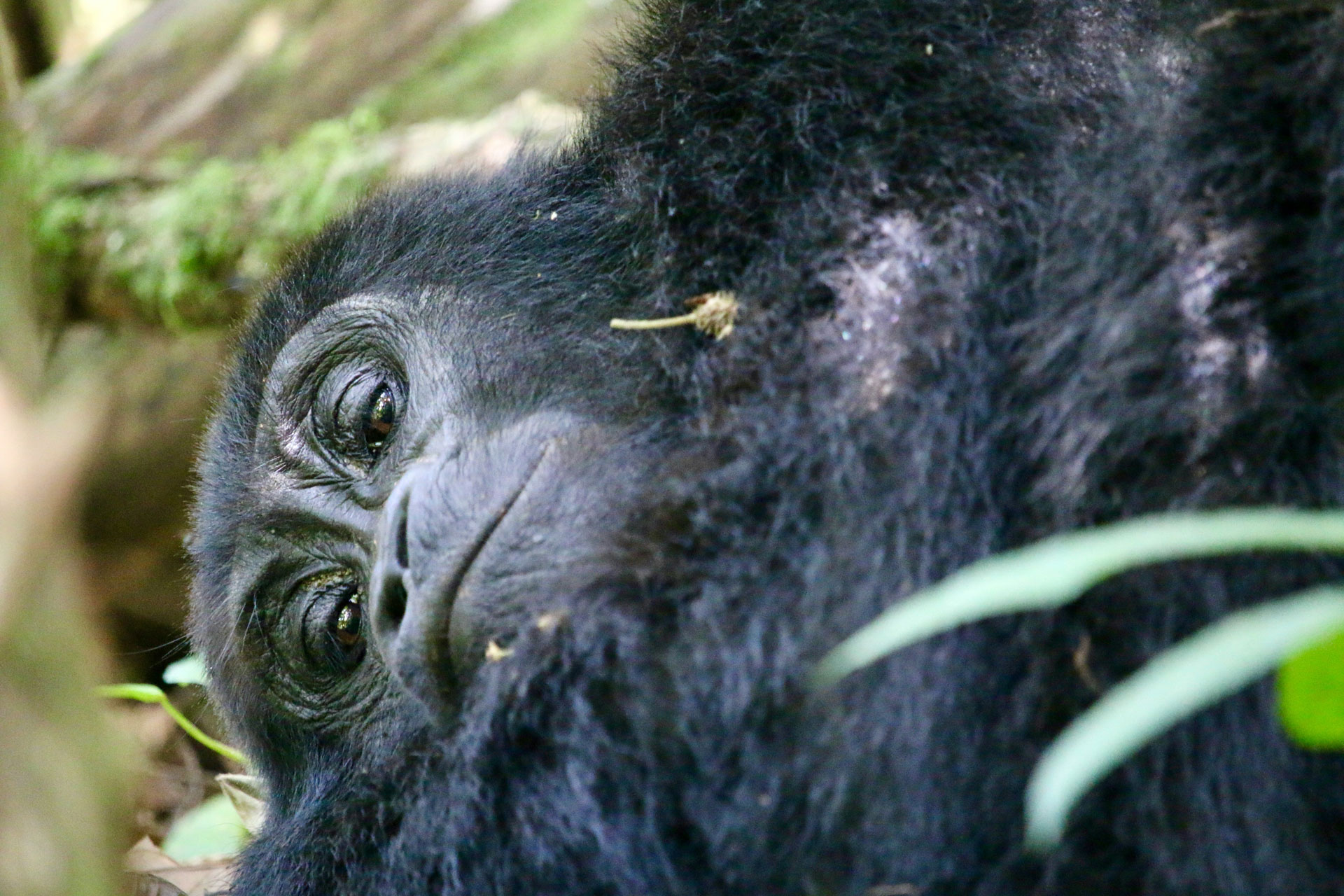
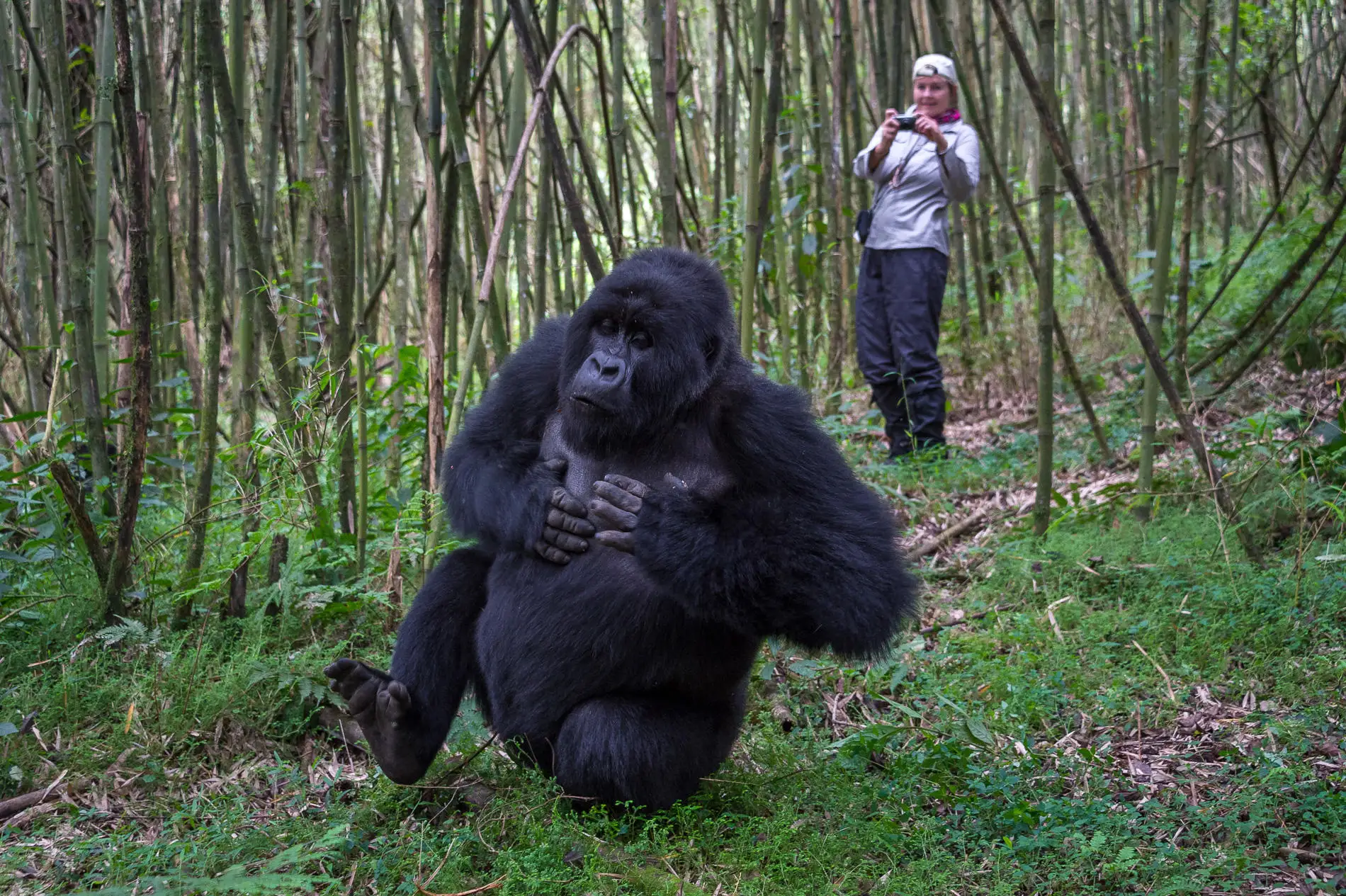
During gorilla trekking, visitors must maintain a minimum distance of seven meters from the gorillas at all times. This rule helps reduce stress on the animals and minimizes the possibility of disease transmission between humans and gorillas. Although gorillas may occasionally move closer out of curiosity, trekkers should remain calm, avoid sudden movements, and follow the instructions of their ranger guides. Maintaining this respectful distance ensures the safety of both visitors and the gorilla families.
One Hour Rule for Gorilla Encounters
Another important gorilla trekking regulation in Rwanda and Uganda is the one-hour viewing limit. Once a gorilla family has been located, visitors are allowed to spend only one hour observing and photographing the animals. This rule reduces disturbance to the gorillas’ daily routines while allowing enough time for visitors to appreciate their natural behaviors. During this period, trekkers can watch the gorillas feed, groom, play, and interact within their family groups while creating unforgettable memories.
Group Size Restrictions
To minimize environmental impact and reduce stress on the gorillas, only eight visitors are allowed to visit a single habituated gorilla family each day. Small group sizes create a more intimate wildlife experience while supporting conservation efforts. Each group is accompanied by experienced ranger guides and trackers who ensure visitor safety and monitor gorilla behavior throughout the encounter.
Photography Regulations
Photography is encouraged during gorilla trekking, but visitors must follow specific guidelines. Flash photography is strictly prohibited because sudden bright lights can startle or disturb the gorillas. Visitors should ensure their camera settings are adjusted before approaching the gorilla family. Speaking quietly and moving slowly while taking photographs helps maintain a peaceful environment for both wildlife and fellow trekkers.
Behavior Around Mountain Gorillas
Visitors are expected to behave respectfully during the entire gorilla trekking experience. Loud talking, shouting, running, or making sudden movements should be avoided. Eating, drinking, and smoking near the gorillas are not permitted because they may attract the animals or leave behind harmful waste. If a gorilla approaches, visitors should remain calm, avoid direct eye contact, and wait for guidance from the ranger. Standing still and following instructions helps create safe interactions between humans and gorillas.
Environmental Conservation Rules
Protecting the fragile forest ecosystem is a major priority during gorilla trekking. Visitors must avoid littering and should carry all personal waste out of the park. Picking plants, damaging vegetation, or disturbing wildlife is prohibited. Staying on designated trails minimizes habitat destruction and helps preserve the rainforest for future generations. Conservation efforts supported by gorilla tourism have contributed significantly to the protection of mountain gorillas and their natural habitats.
Physical Fitness and Trekking Preparation
Although gorilla trekking does not require advanced climbing skills, visitors should prepare for challenging hikes through mountainous forests. Treks can last from one to several hours depending on the location of the gorilla family. Wearing sturdy hiking boots, long trousers, waterproof clothing, gloves, and carrying enough drinking water is highly recommended. Hiring local porters is encouraged because they assist with carrying bags and provide valuable support while creating employment opportunities for nearby communities.
Ranger Guide Instructions Must Be Followed
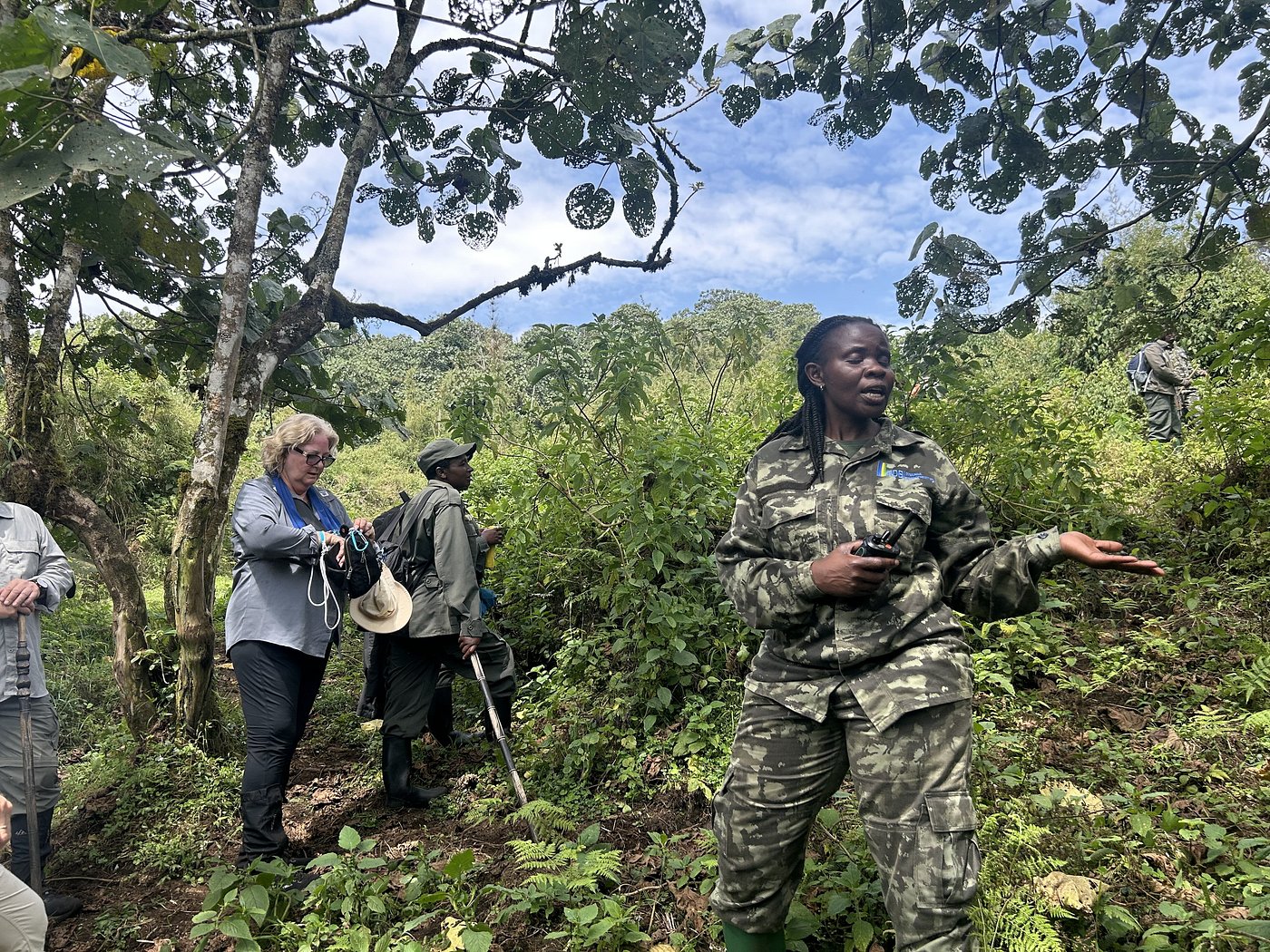 Throughout the gorilla trekking experience in Rwanda and Uganda, ranger guides provide important safety instructions that must be followed at all times. Their extensive knowledge of gorilla behavior and forest conditions ensures a safe and enjoyable adventure. Guides communicate with trackers who monitor gorilla movements and coordinate visitor groups. Listening carefully to ranger instructions helps prevent accidents and protects both visitors and wildlife.
Why Gorilla Trekking Regulations Matter
The gorilla trekking regulations in Rwanda and Uganda are essential for the long-term survival of endangered mountain gorillas. Strict conservation measures have helped increase gorilla populations while creating sustainable tourism opportunities that benefit local communities and national parks. By respecting these regulations, visitors contribute directly to conservation programs, anti-poaching efforts, scientific research, and habitat protection. Gorilla trekking is much more than a wildlife activity; it is a conservation success story that allows travelers to experience one of the world’s most remarkable animals while helping to secure its future.
Final Thoughts on gorilla trekking regulations in Rwanda and Uganda
Understanding and following the gorilla trekking regulations in Rwanda and Uganda is an important part of planning a successful safari in Rwanda and Uganda. These rules protect mountain gorillas, preserve their rainforest habitats, and ensure safe and meaningful wildlife encounters for visitors from around the world. Whether you choose Rwanda Gorilla Tours in Volcanoes National Park or a Uganda gorilla safari in Bwindi or Mgahinga, respecting the guidelines enhances your experience and supports the ongoing conservation of one of Africa’s greatest natural treasures.