
Cultural Tours in Uganda
Overview of Cultural Tours in Uganda
Cultural tours in Uganda introduce travelers to the traditions, kingdoms, languages, food, music, dances, crafts, and daily life of one of Africa’s most diverse countries. Uganda has many ethnic communities, and each one contributes distinct customs, stories, clothing, architecture, and social traditions. Therefore, a Uganda cultural safari offers far more than visits to museums and historical buildings.
Travelers can explore the historic Buganda Kingdom in Kampala, meet Batwa communities near Bwindi and Mgahinga, discover Karamojong culture near Kidepo Valley National Park, visit the Tooro Kingdom around Fort Portal, and learn about Ankole cattle traditions in western Uganda. Cultural experiences also combine naturally with gorilla trekking, chimpanzee tracking, wildlife safaris, Lake Victoria, the River Nile, and visits to Uganda’s national parks.
Rwanda Gorilla Tours organizes customized cultural tours in Uganda for solo travelers, couples, families, students, and private groups. We can arrange a short Kampala cultural tour, a community visit near Bwindi, or a longer Uganda culture and wildlife safari.
Uganda's Culture Tours
Uganda is home to a remarkable range of communities and cultural traditions. Although travelers often visit for gorillas, chimpanzees, and Big Five safaris, the country’s people add greater meaning to every journey. Cultural tours in Uganda allow visitors to understand the relationship between communities, land, wildlife, history, and modern development.
A well-planned Uganda cultural experience may include royal palaces, historical sites, local markets, craft workshops, traditional performances, village walks, food preparation, storytelling, farming, and community conservation.
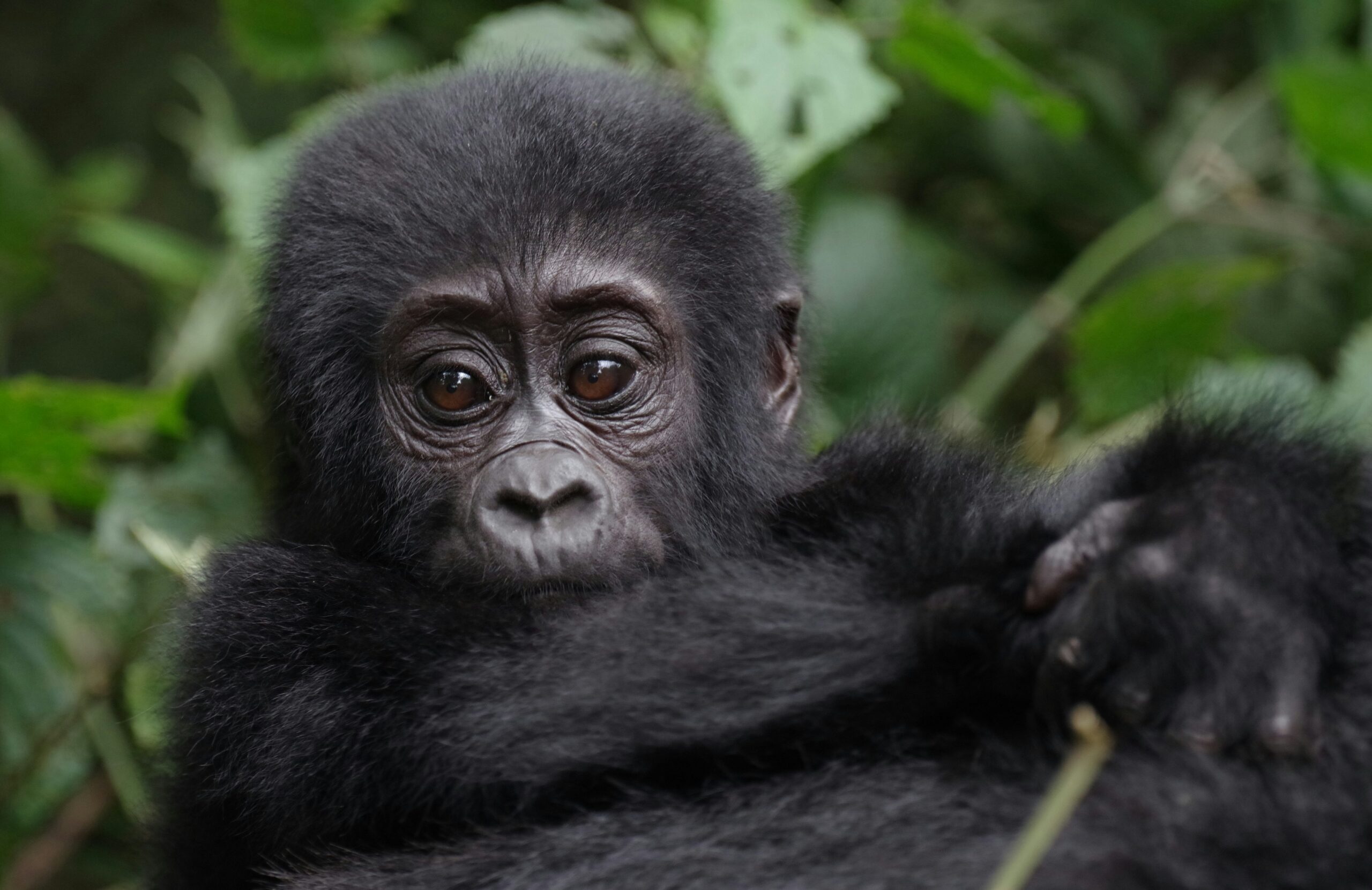
1 Day Gorilla Trekking in Rwanda
Enjoy a short but unforgettable gorilla trekking safari in Rwanda
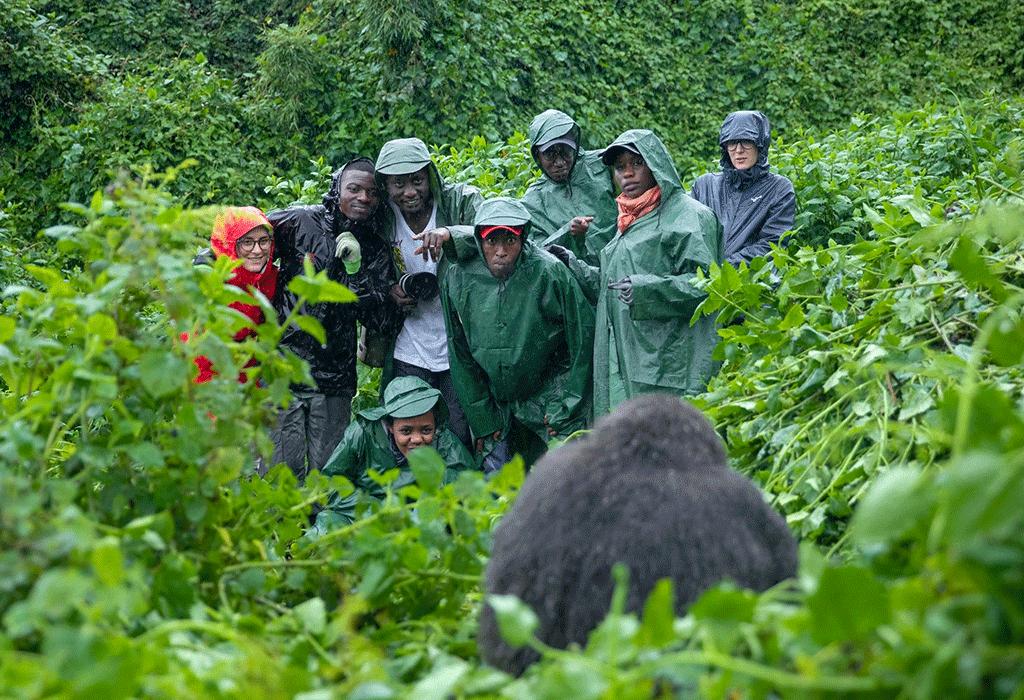
2 Days Gorilla Trek in Volcanoes National Park
Experience Gorilla Trekking in the beautiful Volcanoes National Park.

2 Days Bwindi Gorilla Trek from Kigali
Discover Gorilla trekking in the rainforest beauty in Bwindi NP.

3 Days Uganda Mgahinga Gorilla Trekking
Embark on a journey to Mgahinga Gorilla National Park for gorilla trek.
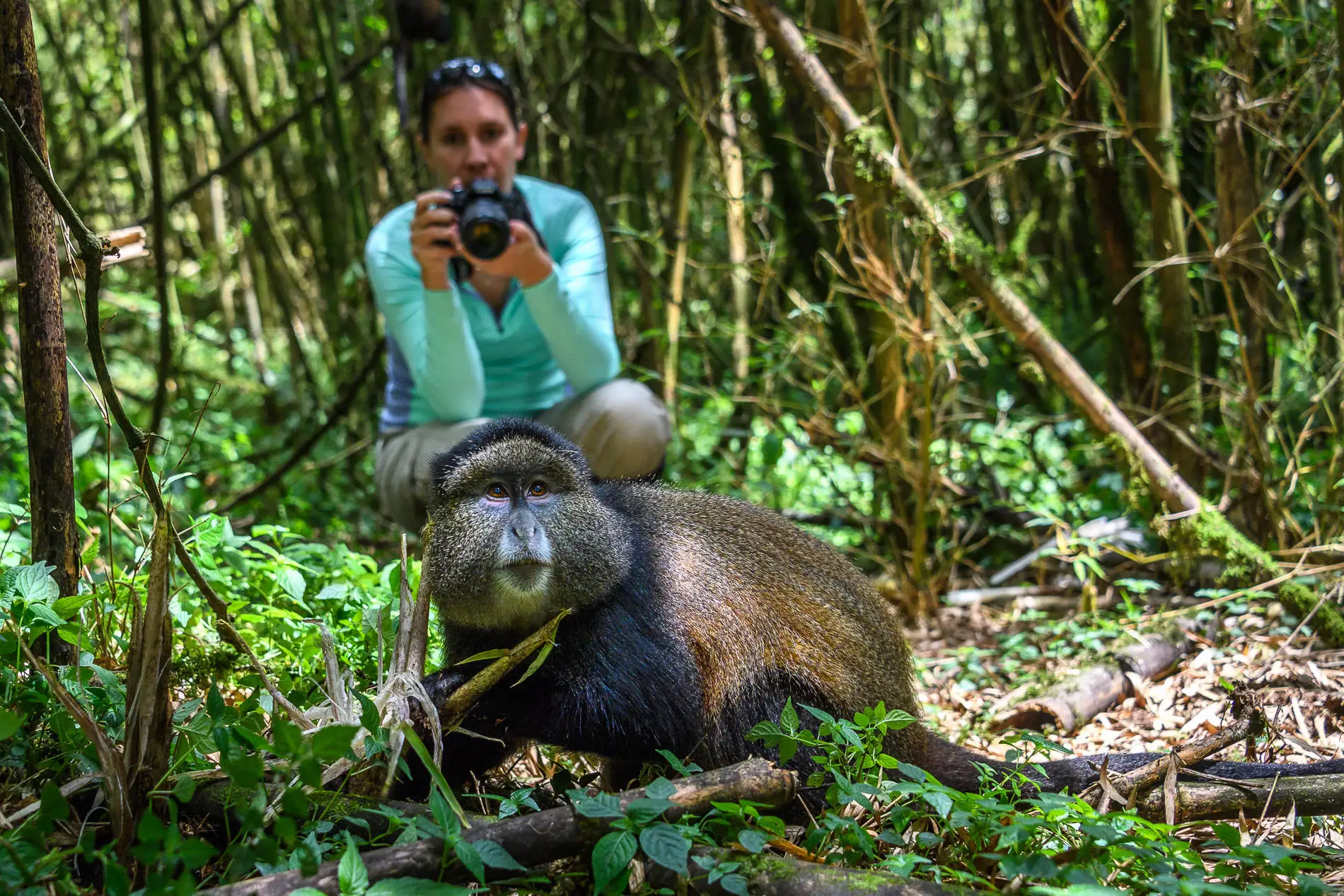
3 Days Gorilla & Golden Monkey Trek in Rwanda
Combine Rwanda's gorillas, golden monkey, cultural visits, and scenic landscapes.
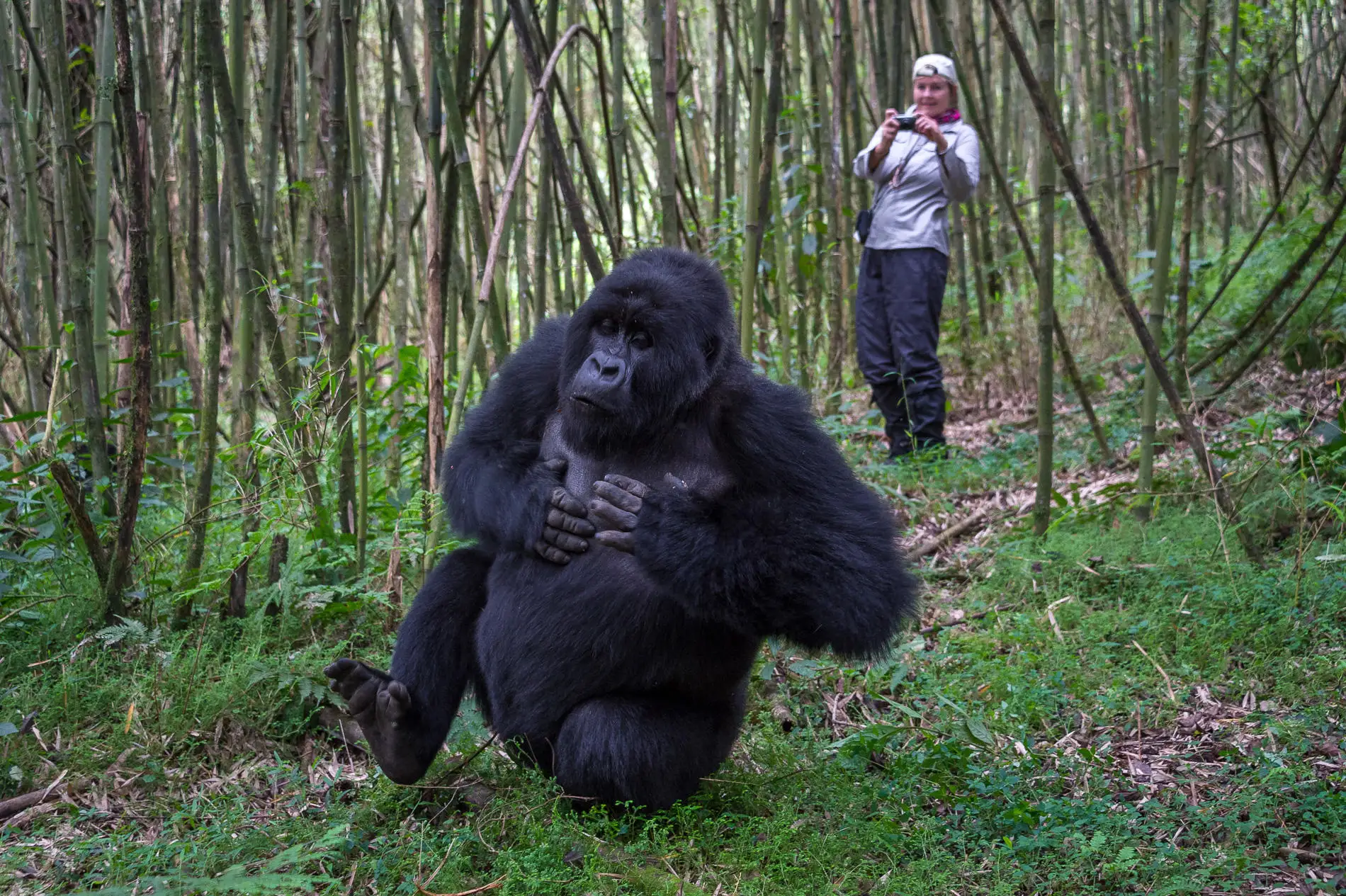
4 Days Gorilla Trekking in Rwanda & Culture Tour
Enjoy a beautiful gorilla trekking experience in the bamboo forest of Volcanoes Park.
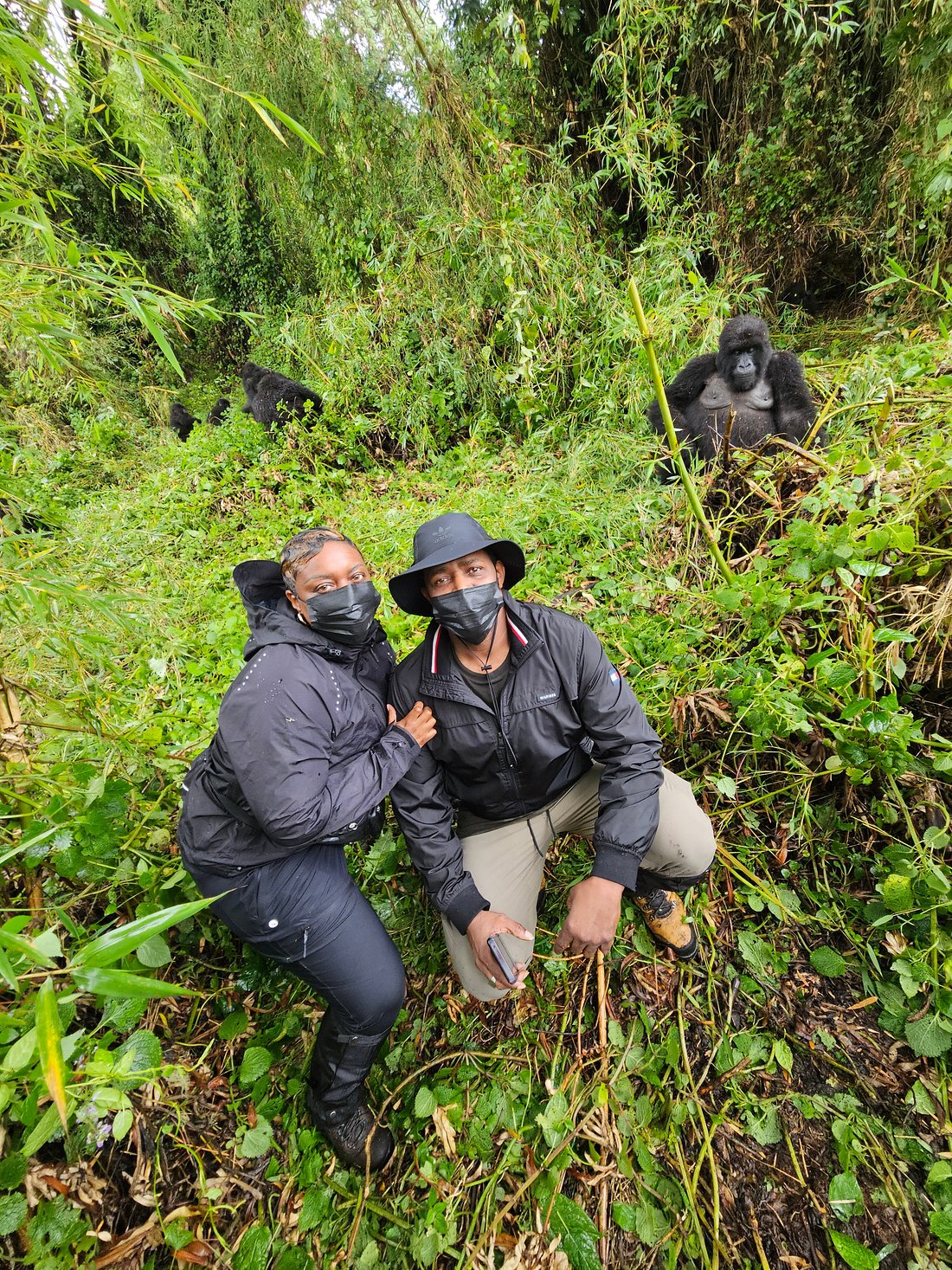
5 Days Gorilla Trek in Rwanda & Uganda Big Five Safari
Explore Rwanda for Gorilla Trekking and Uganda for Big Five Safari.

7 Days Luxury Rwanda Safari & Gorilla Trek
Travel in comfort with premium lodges, private guiding, gorilla trekking, and unique experiences.
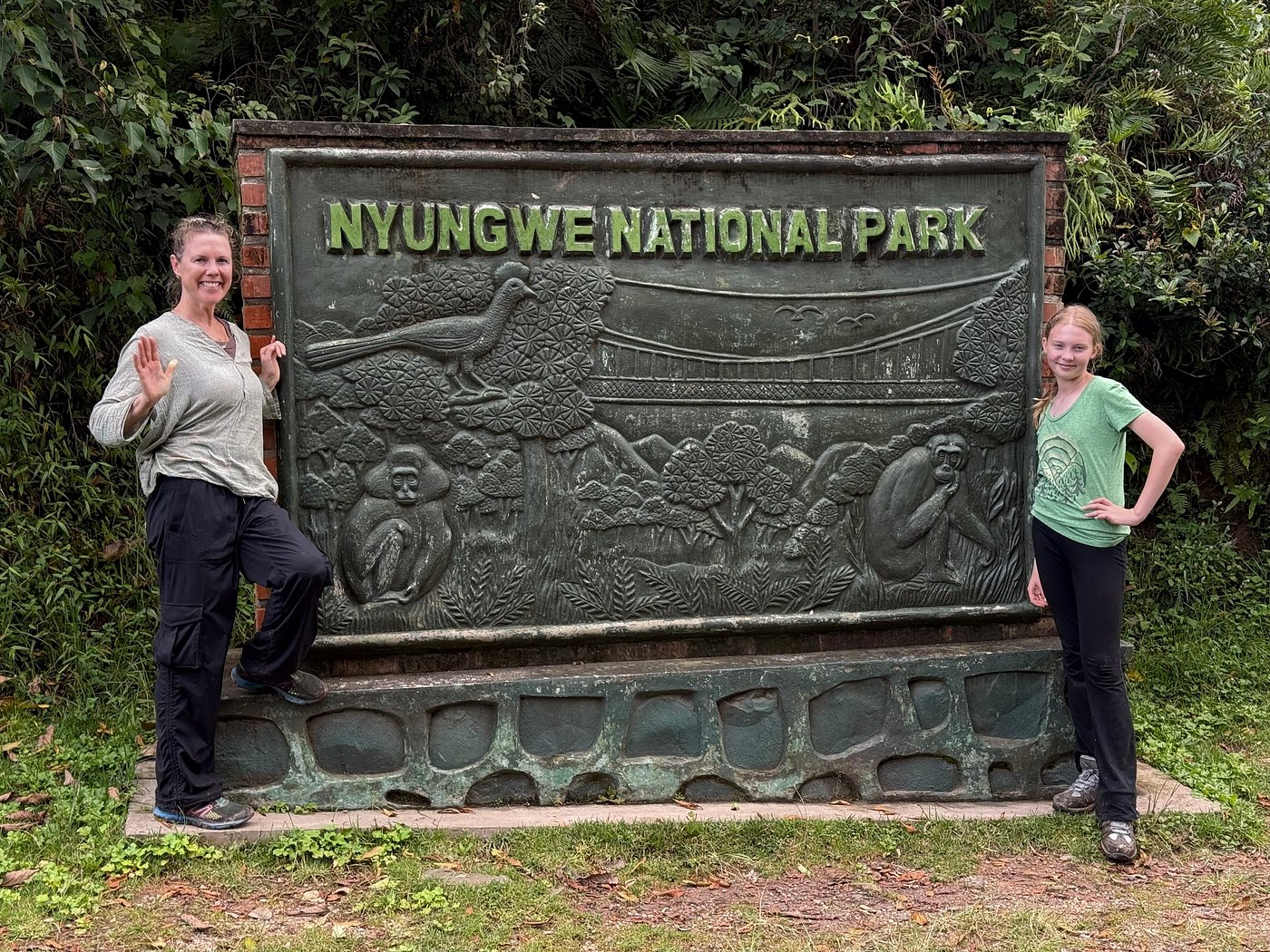
7 Days Wildlife and Primate Safari Rwanda
Enjoy game drives, gorilla, golden monkey and chimp trekking in Nyungwe and Volcanoes.
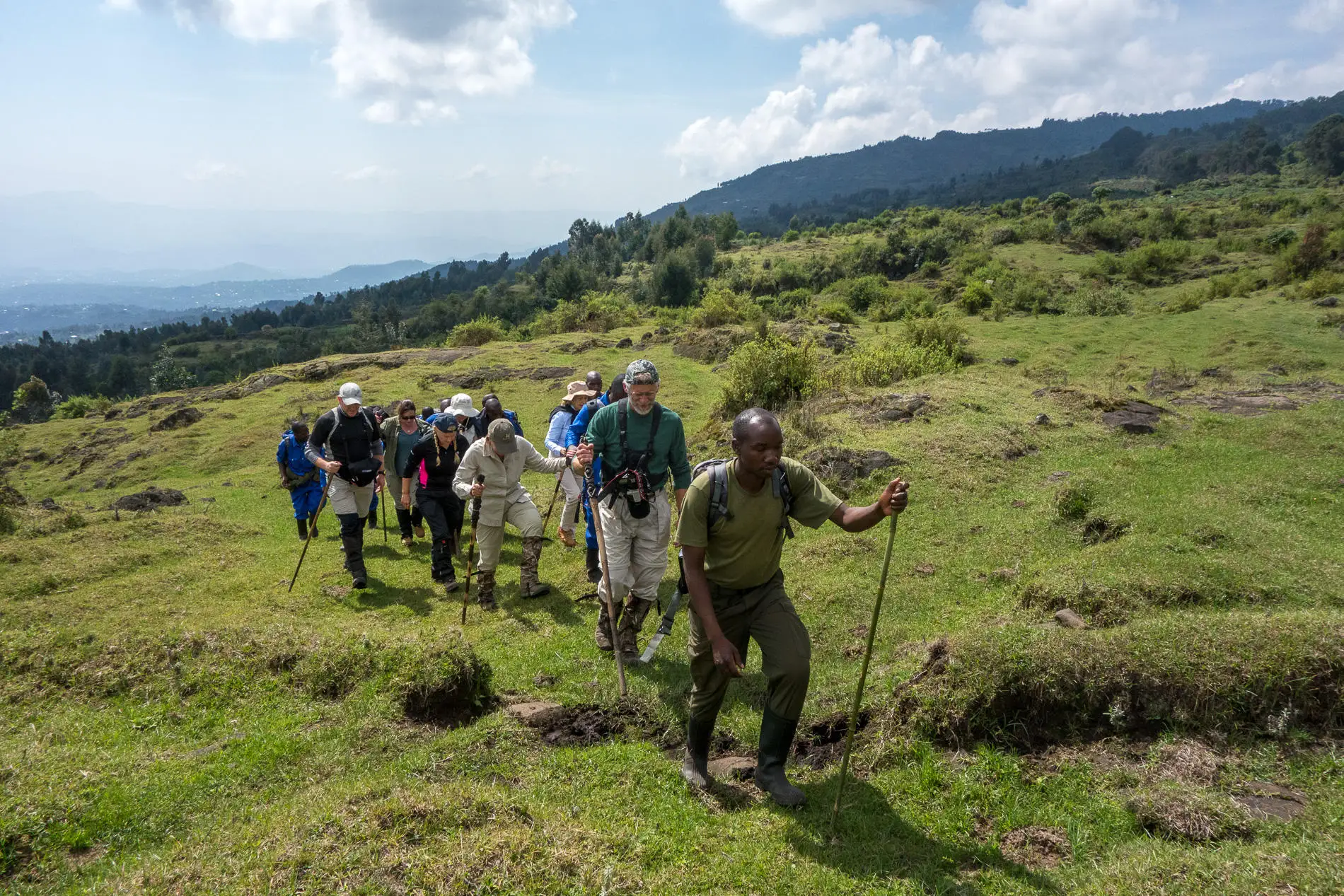
9 Days Rwanda Tour & Uganda Gorilla Trekking
Discover Rwanda’s culture, local communities & Uganda Gorilla Trek.

10 Days Rwanda-Uganda Primates Trekking
Take a scenic volcano hiking experience with amazing views of Rwanda’s highland landscapes.

15 Days Best of Rwanda – Primate, Culture & Wildlife Tour
A comfortable family safari with wildlife, culture, city tours, and child-friendly activities.
Understanding Cultural Tours in Uganda
Uganda’s cultural diversity reflects its many ethnic groups, kingdoms, languages, and geographical regions. Communities living around Lake Victoria developed different traditions from pastoral groups in the dry northeast or forest communities in the southwest.English and Kiswahili have official roles, while many local languages are spoken across the country. Luganda is widely used in central Uganda, especially around Kampala and the Buganda region. Other languages include Runyankole, Rukiga, Runyoro, Rutooro, Acholi, Langi, Ateso, Lusoga, and several others.
Traditional leadership also remains important in parts of Uganda. Historic kingdoms such as Buganda, Tooro, Bunyoro, and Busoga continue to hold cultural significance. Their palaces, royal tombs, ceremonies, and institutions help preserve regional identity. Modern Uganda also has a growing creative sector. Musicians, fashion designers, filmmakers, photographers, painters, and other artists often combine local traditions with contemporary ideas. Therefore, cultural tourism in Uganda introduces visitors to both historical heritage and modern creativity.
Kampala Cultural Tours
Kampala cultural tours provide a useful introduction to Uganda’s history, religion, markets, architecture, and urban life. The capital stands on several hills near Lake Victoria and serves as the political, commercial, and cultural center of the country.
A Kampala city cultural tour may include the Uganda Museum, Kasubi Royal Tombs, Kabaka’s Palace, Bulange Parliament, Kabaka’s Lake, local markets, religious landmarks, craft centers, and selected art galleries.
A local guide adds valuable context to each attraction. Instead of simply viewing buildings, visitors learn about the Buganda Kingdom, colonial history, independence, urban growth, and daily life in Kampala.The city can feel busy because of traffic and commercial activity. Therefore, cultural tours should use realistic schedules. It is better to explore a few attractions carefully than to rush through many places.
Uganda Museum and National Heritage
The Uganda Museum in Kampala preserves archaeological, historical, ethnographic, musical, and scientific collections. It helps visitors understand the country’s cultural and environmental diversity. Displays may include traditional tools, musical instruments, hunting equipment, household objects, clothing, and archaeological materials. Together, these collections show how different Ugandan communities lived, worked, created music, and adapted to their environments.
A Uganda Museum tour works well at the beginning of a longer cultural safari. It provides useful background before travelers visit Buganda, Ankole, Tooro, Karamoja, or other regions. Museum schedules and exhibition arrangements can change. Therefore, visitors should confirm current opening information before travel.
Kasubi Royal Tombs and Buganda Heritage
The Kasubi Royal Tombs are among Uganda’s most important cultural landmarks. The site has deep connections to the Buganda Kingdom and serves as a burial place for several former kings.
Traditional architecture and spiritual meaning make Kasubi an important part of a Buganda Kingdom tour. Local guides explain the monarchy, burial traditions, clan relationships, royal responsibilities, and the cultural value of the site.
Visitors should dress and behave respectfully because the tombs remain culturally significant. Certain areas may have special access rules, while restoration or ceremonial activities can affect normal visits. A tour of Kasubi can be combined with Kabaka’s Palace, Bulange Parliament, Kabaka’s Lake, and other Buganda heritage sites in Kampala.
Customize Your Cultural Tours in Uganda today
For customized Uganda tours and safaris, gorilla trekking packages, chimpanzee adventures, and wildlife holidays, contact Rwanda Gorilla Tours.
Email: info@rwandagorillatours.rw / WhatsApp & Phone: +250 781 441 853
Kabaka’s Palace and Bulange Parliament
Kabaka’s Palace in Mengo represents the royal institution of the Buganda Kingdom. The site provides insight into Buganda’s political and cultural history.
Nearby, Bulange serves as the administrative center of the kingdom. The road connecting the palace and Bulange has ceremonial and historical importance.
During a Kabaka’s Palace tour, a guide explains royal traditions, leadership, and major events connected to the site. Visitors should listen carefully and follow all local access rules. A Kampala Buganda heritage tour can include the palace, Bulange, Kabaka’s Lake, and selected royal landmarks. This route offers a deeper understanding of the kingdom’s influence on central Uganda.
Kabaka’s Lake Cultural Experience
Kabaka’s Lake is an artificial lake associated with the history of the Buganda Kingdom. It lies near the royal palace in Kampala.
A guide can explain the lake’s background and its connection to royal ambitions and community labor. The area may also provide views of local neighborhoods and birdlife.
The lake is best included as one stop within a wider Mengo and Buganda cultural tour. Visitors should avoid treating it as a stand-alone swimming or recreational site unless current local arrangements clearly allow such activities.
Kampala Markets and Daily Life
A Kampala market tour introduces visitors to the city’s commercial energy. Depending on the route, guests may explore food markets, fabric areas, craft centers, or other trading spaces.
Vendors sell fruit, vegetables, spices, household items, clothing, crafts, and locally produced food. A guide can explain unfamiliar ingredients and help visitors communicate respectfully.
Markets are working spaces rather than staged attractions. Therefore, guests should avoid blocking walkways or photographing vendors without permission.
A market tour may form part of a Uganda food experience. Visitors can learn about ingredients before joining a cooking activity or tasting selected traditional dishes.
Uganda Traditional Music and Dance
Traditional music and dance remain central to many Ugandan communities. Drums, string instruments, flutes, rattles, and other instruments accompany songs and dances during ceremonies, celebrations, and public performances.
Each region has its own dance styles. Baganda dances differ from Acholi, Banyankole, Basoga, or Karamojong performances. Clothing, rhythm, movement, and meaning also vary.
A Uganda traditional dance experience becomes more valuable when performers or guides explain its purpose. Some dances celebrate marriage, harvest, courage, community, leadership, or important life events.
Visitors should choose performances that pay artists fairly. The dancers are skilled cultural practitioners, not simply background entertainment for photographs.
Ndere Cultural Centre in Kampala
Ndere Cultural Centre is known for performances that present music and dances from different parts of Uganda. The shows help visitors appreciate the country’s cultural variety within one organized program.
A performance may feature traditional instruments, colorful clothing, storytelling, singing, and energetic dancing. Because programs and performance days may change, travelers should confirm the current schedule before visiting.
Ndere can be included in a Kampala cultural itinerary. It is particularly suitable for visitors who have limited time but want an introduction to several regional traditions.
Traditional Ugandan Food Tours
Uganda food tours introduce visitors to local crops, cooking methods, markets, and eating traditions. Popular ingredients may include bananas, cassava, millet, maize, beans, groundnuts, sweet potatoes, vegetables, fish, and meat.
The exact dishes vary between regions and communities. For example, food traditions near Lake Victoria may include fish, while pastoral communities may place greater importance on cattle products.
A traditional Ugandan cooking experience can begin with a market or farm visit. Guests then help prepare selected dishes under the direction of local hosts.
Visitors should share allergies and dietary requirements before the activity. Food experiences should also maintain good hygiene while respecting local cooking traditions.
Uganda Coffee Cultural Tours
Uganda is an important coffee-growing country. Coffee experiences allow visitors to learn how farmers plant, harvest, process, roast, and prepare coffee.
A Uganda coffee tour may take place near Mount Elgon, around the Rwenzori region, or in another coffee-growing community. The available activities depend on the harvest season and local program.
Visitors can meet farmers, walk through coffee gardens, and observe different processing methods. A tasting session may complete the experience.
Responsible coffee tourism should explain the work involved in production and create direct economic benefits for farming communities.
Uganda Craft Tours and Local Artisans
Ugandan artisans produce baskets, mats, pottery, beadwork, carvings, fabrics, musical instruments, and decorative objects. Materials and designs vary across regions.
A Uganda craft tour gives visitors an opportunity to meet artisans and understand the production process. Instead of only buying a finished item, travelers learn how craftspeople gather materials, create patterns, and use traditional knowledge.
Purchasing directly from artisans or recognized cooperatives can provide better support for local producers. Bargaining should remain respectful because handmade objects may require many hours of work.
Some workshops allow visitors to try basket weaving, beadwork, pottery, or another craft. These interactive experiences work well for families and educational groups.
Batwa Cultural Experience in Uganda
Batwa communities have a long historical connection to the forests of southwestern Uganda. Traditionally, they depended on forest resources for food, medicine, shelter, and cultural practices.
The creation of protected areas changed their access to ancestral forests and caused serious social and economic challenges. Therefore, a Batwa cultural experience should present this history carefully and respectfully.
Community-guided programs may include songs, dances, storytelling, craft demonstrations, traditional knowledge, and explanations of forest life. Visitors should choose programs in which Batwa participants control the experience and receive fair benefits.
Uganda Wildlife Authority describes the Batwa as the original forest dwellers who traditionally hunted small game and gathered plants and fruit. Uganda Wildlife Authority
Batwa Cultural Trail Near Mgahinga
The Batwa cultural trail near Mgahinga introduces visitors to the community’s historical relationship with the forest. Depending on the current program, guides may explain traditional shelters, plants, food gathering, hunting knowledge, and cultural practices.
The experience can be combined with gorilla trekking, golden monkey tracking, volcano hiking, or a visit to Lake Mutanda.
Visitors should avoid romanticizing the hardships faced by Batwa communities. Instead, they should listen to local perspectives and support programs that protect dignity, land rights, education, and livelihoods.
The exact trail, duration, and availability should be confirmed before travel.
Batwa Community Tours Near Bwindi
Bwindi community tours can include respectful experiences with Batwa communities living near the national park. Programs differ between Buhoma, Ruhija, Rushaga, Nkuringo, and surrounding areas.
A community guide may introduce visitors to traditional knowledge, music, crafts, and current life outside the forest. Some projects also support schools, health services, or livelihood programs.
Travelers should select community-owned or well-established initiatives. Donations and gifts should go through recognized channels rather than being distributed without local guidance.
Combining a Batwa experience with gorilla trekking can help visitors understand the complex human history surrounding forest conservation.
Bwindi Community Cultural Tours
Communities around Bwindi Impenetrable National Park offer village walks, craft visits, dance performances, farming experiences, and food activities.
A Bwindi community walk can introduce visitors to tea or coffee growing, traditional medicine, local businesses, schools, and craft projects. The exact itinerary depends on the trekking sector and community program.
The activity often takes place during the afternoon before or after gorilla trekking. However, a gorilla trek can finish late. Therefore, it is safer to avoid tightly scheduling a fixed community activity immediately afterward.
Tourism should create fair benefits for residents living near the park. Responsible operators work with recognized guides and community organizations.
Ankole Cultural Tours
The Ankole region of western Uganda is known for pastoral traditions and long-horned Ankole cattle. These cattle hold economic, cultural, and social importance.
An Ankole cultural tour may introduce visitors to cattle keeping, milk traditions, homestead life, food preparation, and stories connected to pastoral identity.
Visitors can learn how families care for their cattle and how livestock shapes daily routines. Some programs may include demonstrations related to milking or traditional dairy processing.
The experience works well with Lake Mburo National Park, Mbarara, or a journey between Kampala and southwestern Uganda.
Igongo Cultural Centre
Igongo Cultural Centre near Mbarara promotes the heritage of communities in southwestern Uganda. Its museum collections and cultural displays introduce visitors to regional traditions, history, livelihoods, and social life.
The center can provide a convenient cultural stop while traveling toward Queen Elizabeth National Park, Bwindi, Lake Mburo, or Kigali.
A guided visit adds context to the exhibits. Visitors can learn about Ankole cattle, farming, household objects, leadership, and regional identity.
Current opening arrangements should be confirmed before arrival.
Tooro Kingdom Cultural Tours
The Tooro Kingdom is centered around Fort Portal in western Uganda. The region combines royal heritage, green landscapes, crater lakes, tea plantations, and access to Kibale National Park.
A Tooro Kingdom cultural tour may include selected royal landmarks, community experiences, traditional food, local markets, and storytelling.
Fort Portal also works as a base for chimpanzee trekking in Kibale. Therefore, travelers can combine primate tracking with cultural visits and a Bigodi Wetland walk.
The region’s gentle hills and crater lakes make it suitable for a slower cultural and nature itinerary.
Bigodi Community and Cultural Experience
Bigodi lies near Kibale National Park and is known for its community-based wetland tourism. A guided Bigodi Wetland walk may reveal monkeys, birds, butterflies, plants, and rural landscapes.
The experience can also introduce visitors to community life, crafts, farming, and local food. Tourism income supports community projects and livelihoods.
Bigodi combines naturally with Kibale chimpanzee trekking. Visitors often join a morning forest trek followed by an afternoon wetland or village walk.
However, chimpanzee tracking can finish later than expected. A flexible schedule creates a more relaxed experience.
Bunyoro Cultural Heritage
The Bunyoro region has a long royal history and strong connections to western Uganda. Cultural attractions may be included in itineraries visiting Hoima, Masindi, Lake Albert, or Murchison Falls National Park.
A Bunyoro cultural tour can introduce visitors to royal traditions, local food, music, crafts, and historical narratives. The exact attractions depend on the route and available community programs.
Including a cultural experience in a Murchison Falls safari helps visitors understand the communities surrounding the conservation area.
Karamojong Cultural Tours
The Karamojong people live mainly in Uganda’s northeastern Karamoja region. Pastoralism, cattle, community structures, songs, dances, and traditional homesteads form important parts of Karamojong identity.
A Karamojong cultural tour often takes place near Moroto or Kidepo Valley National Park. Visitors may join a guided village experience, learn about livestock traditions, observe crafts, or listen to stories.
The Karamojong should not be described as a single unchanging image from the past. Communities continue to adapt to education, technology, environmental change, and modern economic life.
Responsible programs allow residents to explain their own traditions and current challenges. Visitors should always ask before taking photographs.
Karamojong Village Experience Near Kidepo
A Karamojong village experience can complement a wildlife safari in Kidepo Valley National Park. The region’s open landscapes and remote location create one of Uganda’s most distinctive travel experiences.
Local guides may explain homestead design, livestock management, social customs, music, dance, and craft traditions.
The visit should operate with clear community consent. Fees should benefit participating residents, while photography should follow local guidance.
Combining Kidepo wildlife with a community program creates a more complete understanding of northeastern Uganda.
Acholi Cultural Tours in Northern Uganda
The Acholi people live mainly in northern Uganda. Their culture includes distinct music, dance, storytelling, food, and community traditions.
An Acholi cultural tour may take place around Gulu or along a route toward Murchison Falls and Kidepo. Activities depend on available cultural centers and community programs.
Traditional dances may communicate social values or mark significant occasions. Guides can explain the movements, instruments, clothing, and meaning behind the performance.
Visitors should also learn about contemporary Acholi life rather than focusing only on historical customs.
Busoga Cultural Tours and Jinja
Jinja is widely known as the source of the River Nile and a center for adventure tourism. However, it also lies within the wider Busoga region, which has its own royal and cultural traditions.
A Busoga cultural tour may include community visits, food experiences, markets, historical landmarks, and selected royal heritage sites.
Travelers can combine culture with a boat trip at the source of the Nile, village experiences, or visits to local craft projects.
Jinja’s historical buildings also reflect the town’s commercial and colonial development. A guided Jinja cultural tour can explain how the city changed over time.
Source of the Nile Cultural Tours
The source of the Nile has geographical, historical, and cultural importance. Communities have lived, traded, fished, and traveled around the Nile and Lake Victoria for generations.
A source of the Nile cultural tour can include a guided boat ride, local stories, community experiences, and a Jinja city tour.
Visitors should use registered boat operators and wear life jackets during water activities. The cultural value of the Nile becomes clearer when guides explain its role in local livelihoods and identity.
Bagisu Culture and the Mount Elgon Region
The Bagisu people live around the slopes of Mount Elgon in eastern Uganda. Farming, coffee growing, music, dance, and strong community traditions shape life in the region.
A Mount Elgon cultural tour may include coffee farms, village walks, markets, waterfalls, and community guides. Travelers can combine these activities with hiking or a visit to Sipi Falls.
Some private cultural practices may have age, gender, or community restrictions. Visitors should not expect access to every ceremony. Responsible guides explain what can be discussed or observed respectfully.
Sipi Falls Coffee and Cultural Tours
Sipi Falls offers a scenic combination of waterfalls, highland landscapes, farming, and community tourism. A Sipi Falls coffee tour introduces visitors to local coffee production.
Depending on the season, guests may observe harvesting, drying, roasting, and grinding. Farmers explain the effort required before the final drink is prepared.
Visitors can also join guided walks, learn about local crops, and enjoy views across the surrounding plains.
A Sipi cultural experience can be combined with Mount Elgon hiking or an onward journey toward Karamoja.
Religious and Spiritual Heritage in Uganda
Uganda’s religious heritage includes Christian, Muslim, Baháʼí, traditional, and other spiritual traditions. Kampala contains several important religious landmarks.
A Kampala religious tour may include Namirembe Cathedral, Rubaga Cathedral, the Uganda National Mosque, the Baháʼí House of Worship, and selected historical sites.
Visitors should wear respectful clothing and check whether services or private activities affect access. Photography may be restricted in some areas.
Namugongo Martyrs Shrine is another important pilgrimage destination. Large gatherings take place during major religious events, so travelers should plan transport and accommodation early.
Uganda Martyrs Shrine at Namugongo
The Uganda Martyrs Shrine commemorates Christian martyrs and serves as a major pilgrimage destination.
Visitors can learn about the site’s religious and historical importance through a guided visit. The atmosphere differs significantly during the annual pilgrimage period, when large numbers of worshippers arrive.
Guests should behave quietly, dress appropriately, and avoid disturbing religious activities. Event dates and access arrangements should be confirmed in advance.
Uganda Festivals and Cultural Events
Uganda hosts music, dance, film, fashion, art, religious, and community events throughout the year. Programs and dates can change, so visitors should verify the current calendar.
A Uganda cultural festival provides access to live performances, crafts, food, and modern creativity. However, it should form one part of a broader cultural itinerary.
Hotels may fill quickly during major festivals or public events. Early planning helps secure suitable accommodation and transport.
Uganda Village Tours
Uganda village tours introduce travelers to rural life with the guidance of local hosts. Activities may include farming, food preparation, crafts, schools, community projects, or storytelling.
A responsible village tour must respect privacy. Residents should decide which areas visitors enter and which activities they offer.
Travelers should ask before taking photographs and avoid distributing gifts directly. Those who want to support a project should consult the community guide.
When organized well, village tourism creates income and encourages meaningful cultural exchange.
Cultural Tours in Uganda for Families
Uganda family cultural tours can include interactive and educational experiences. Children may enjoy craft workshops, music, dancing, farm visits, cooking, markets, and storytelling.
The program should match the children’s ages and interests. Short activities with opportunities to participate often work better than long museum visits.
Parents should explain respectful photography and community behavior before each activity.
A family cultural safari can also include wildlife, boat trips, gentle nature walks, or Lake Victoria.
Cultural Tours in Uganda for Students
Uganda educational tours can focus on history, geography, culture, conservation, farming, art, and community development.
Students may visit museums, cultural centers, farms, national parks, craft cooperatives, and community projects.
The itinerary should include guided discussions rather than only sightseeing. This approach connects each visit to clear educational themes.
When visiting schools or communities, the program should be planned with local partners. Unplanned visits may disrupt normal activities.
Cultural Tours in Uganda for Solo Travelers
Solo travelers can book private Uganda cultural tours or join selected group programs. A professional guide provides local knowledge, transport, and practical support.
Kampala offers a convenient starting point. After exploring the capital, visitors can continue to Jinja, Fort Portal, Bwindi, Mbarara, Kidepo, or another destination.
Private travel provides flexibility. The itinerary can focus on food, history, crafts, photography, traditional kingdoms, or community tourism.
Cultural Tours and Gorilla Trekking in Uganda
Combining cultural tours with gorilla trekking creates a deeper southwestern Uganda experience. Visitors can trek mountain gorillas in Bwindi or Mgahinga before joining a recognized community program.
Possible additions include a Batwa experience, village walk, craft workshop, coffee tour, traditional performance, or Lake Mutanda excursion.
Gorilla trekking can take several hours. Therefore, a fixed cultural activity should not begin immediately after the trek unless the timing remains flexible.
A three-day, four-day, or five-day Uganda gorilla and cultural safari provides enough time for both wildlife and community experiences.
Cultural Tours and Chimpanzee Trekking
Kibale National Park and Fort Portal provide an excellent setting for a Uganda chimpanzee and cultural safari.
Visitors can complete chimpanzee trekking before joining a Bigodi Wetland walk, village visit, coffee experience, or Tooro cultural tour.
The region also offers crater lakes, tea plantations, and scenic countryside. Therefore, it works well for travelers who want primates, nature, and culture in one destination.
Cultural Tours and Wildlife Safaris
Uganda culture and wildlife safaris can combine community experiences with Queen Elizabeth, Murchison Falls, Lake Mburo, Kidepo Valley, or another national park.
Near Lake Mburo, visitors can learn about Ankole cattle traditions. Around Kidepo, a responsible Karamojong cultural program adds insight into northeastern Uganda.
Murchison Falls itineraries can include Bunyoro or Acholi experiences, while Queen Elizabeth routes may connect with communities in western Uganda.
These combinations help spread tourism income beyond park entrances and safari lodges.
Sample One-Day Kampala Cultural Tour
Begin the day with a visit to the Uganda Museum. A guide explains the country’s historical and ethnographic collections.
Continue to selected Buganda heritage sites such as Kasubi Royal Tombs, Kabaka’s Palace, Bulange Parliament, or Kabaka’s Lake. The exact order depends on access and traffic.
After lunch, explore a market, craft center, or art space. If a suitable performance is scheduled, the day can end with traditional music and dance.
Sample Three-Day Uganda Cultural Safari
Day One: Entebbe and Kampala
Meet your Rwanda Gorilla Tours guide at Entebbe International Airport or your hotel. Transfer to Kampala and visit selected museums, markets, and historical attractions.
Day Two: Buganda Heritage Tour
Explore Kasubi Royal Tombs, Kabaka’s Palace, Bulange Parliament, Kabaka’s Lake, and another selected cultural site. In the evening, attend a confirmed cultural performance.
Day Three: Jinja and Busoga Experience
Travel to Jinja for a city tour, source of the Nile boat experience, and a selected Busoga community activity. Return to Kampala or continue with the wider safari.
Sample Five-Day Uganda Gorilla and Cultural Safari
Day One: Kigali to Bwindi
Meet your private guide in Kigali and travel across the Uganda border toward Bwindi Impenetrable National Park.
Day Two: Community and Cultural Experience
Join a recognized Batwa or Bwindi community program. Learn about traditional knowledge, crafts, food, or local livelihoods.
Day Three: Gorilla Trekking
Attend the morning briefing and enter Bwindi Forest with ranger guides. After the gorilla experience, return to the lodge for rest.
Day Four: Bwindi to Lake Mburo
Travel through southwestern Uganda toward Lake Mburo. Depending on the schedule, visit a farm or community project connected to Ankole cattle traditions.
Day Five: Lake Mburo to Entebbe
Complete a morning wildlife activity before continuing to Kampala or Entebbe.
Responsible Cultural Tourism in Uganda
Responsible cultural tourism protects the dignity, privacy, and rights of host communities. Visitors should use recognized guides and choose activities designed with local participation.
Ask for permission before taking photographs. This rule is particularly important during village, school, religious, and private home visits.
Pay fair prices for guiding, crafts, meals, and performances. Avoid treating handmade items as mass-produced souvenirs.
Do not give money or sweets directly to children. Instead, ask about recognized community support programs.
Listen carefully when local people discuss their history. Avoid stereotypes and allow communities to explain both their traditions and modern lives.
Best Time for Cultural Tours in Uganda
Cultural tours in Uganda operate throughout the year. Museums, markets, workshops, and many community programs remain available during both wet and dry seasons.
The drier periods often make village walks and long road journeys easier. However, the greener months provide beautiful landscapes and may have fewer tourists.
Festivals, ceremonies, and religious events follow specific calendars. Visitors interested in a particular event should confirm its dates before booking flights.
Carry a light waterproof jacket throughout the year. Weather can change quickly, especially in forest and highland regions.
What to Wear on Uganda Cultural Tours
Wear comfortable and respectful clothing. Garments that cover the shoulders and knees are suitable for most communities, museums, religious sites, and royal attractions.
Comfortable walking shoes are important for markets, village paths, farms, and historical sites.
Bring a hat, sunscreen, drinking water, and rain protection. In higher areas such as Mount Elgon or southwestern Uganda, mornings and evenings can feel cool.
Your guide can provide additional advice when visiting a royal, religious, or ceremonial site.
How to Book Cultural Tours in Uganda
Begin by providing your travel dates, number of visitors, pickup location, accommodation level, and main interests.
You may want to focus on kingdoms, traditional food, music, crafts, Batwa heritage, Karamojong culture, religious sites, or community tourism near national parks.
Rwanda Gorilla Tours will prepare a suitable itinerary and confirm the current availability of activities. Some cultural performances and workshops require advance arrangements.
Once you approve the itinerary and price, the required payment secures the selected services under the stated booking conditions.
Why Book With Rwanda Gorilla Tours?
Rwanda Gorilla Tours specializes in private cultural journeys, gorilla trekking, chimpanzee tours, and wildlife safaris in Uganda and Rwanda.
We arrange professional driver-guides, private transport, accommodation, museums, community visits, craft workshops, cultural performances, and national park activities.
Our Uganda cultural itineraries can connect Kampala, Jinja, Mbarara, Bwindi, Mgahinga, Fort Portal, Kibale, Queen Elizabeth National Park, Murchison Falls, Kidepo, and Mount Elgon.
Whether you need a one-day Kampala tour or a longer Uganda culture and wildlife safari, we can customize the journey to your interests, time, and budget.
Plan Your Cultural Tour in Uganda
Cultural tours in Uganda reveal a country shaped by kingdoms, languages, pastoral traditions, farming, music, dance, craftsmanship, religion, and community life.
Visitors can explore royal sites, meet artisans, learn traditional skills, visit markets, taste local food, and support community-owned tourism. These experiences add valuable depth to gorilla trekking, chimpanzee tracking, and wildlife safaris.
Contact Rwanda Gorilla Tours for a customized cultural itinerary in Uganda.
Rwanda Gorilla Tours
Phone/WhatsApp: +250 781 441 853
Email: info@rwandagorillatours.com